
Carrier connection
Sendle.
Connected to dispatch.
Scope Sendle service selection, labels and dispatch handoff against your carrier account.
Responsibilities
Agree where each record belongs.
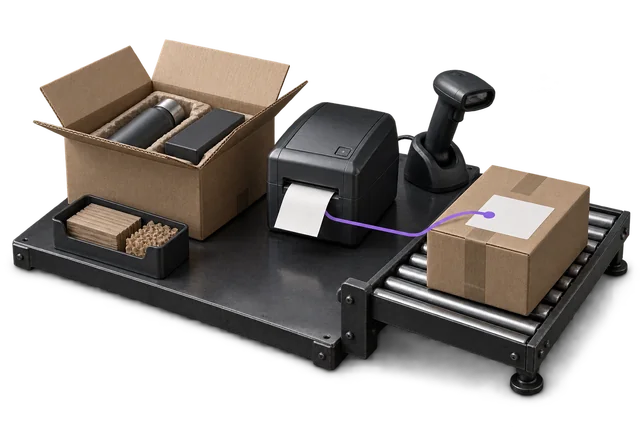
A supported dispatch workflow does not establish a pre-built carrier connector. Agree the connection method and limitations during scoping.
What flows where
Scope the records in each direction.
These are proposed flows for scoping, not a promise that every object or event is already supported.
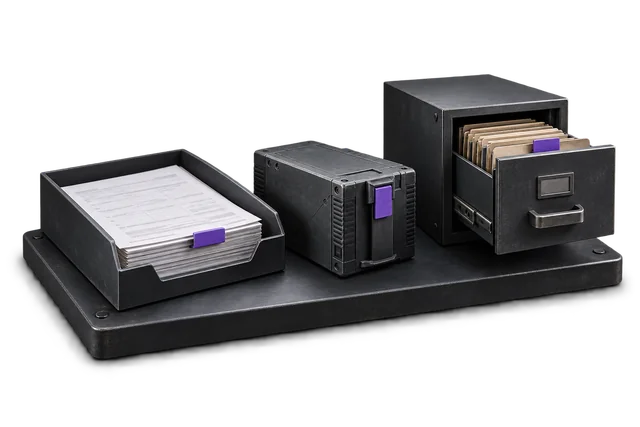
| Record | From → to | Trigger | Scope note |
|---|---|---|---|
| Service and shipment details | OpsUI → Sendle | At dispatch preparation | Confirm rating and service-selection scope. |
| Label and tracking reference | Sendle → OpsUI | After shipment acceptance | Connection and account support to confirm. |
| Manifest / dispatch handoff | OpsUI → Sendle | Agreed dispatch cut-off | Confirm direct API, aggregator or file requirements. |
| Tracking updates | Sendle → OpsUI | When supported events arrive | Event coverage and timing require verification. |
Set up the connection around your operation.
Confirm access
Bring your Sendle account type, service mix and shipping locations.
Agree the mapping
Confirm rate, label, tracking and manifest access, including printer formats.
Test the handoff
Test representative parcels, rejected addresses, label retries and end-of-day handoff.
Questions about Sendle.
Do I keep my Sendle account?
Yes. OpsUI plugs into your existing Sendle account via API. Rates and account-level settings stay on the Sendle side.
Can Sendle be one of several carriers in the same dispatch queue?
Yes. Service selection at order entry decides which carrier each shipment goes out on: Sendle alongside Aus Post, StarTrack, Toll, or whichever others you run.
Your next step
Bring your system. Map the connection.
Share the account or version you use, the records that matter and the exceptions your team needs to handle.